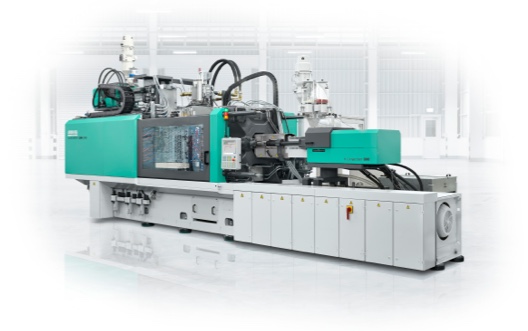

If you’re a production manager or a machinery buyer, you already know the truth: an injection molding machine isn’t “just a machine.” It’s your uptime, your scrap rate, your cycle time, your energy bill… and sometimes your sleep schedule. Today I’m putting on my practical hat (and my fun hat too) to help you buy an Engel Second Hand machine with confidence—without nasty surprises after delivery.
At UDO KRICHBAUM TRANSITUS, we specialize in used and reconditioned industrial equipment—especially plastics processing and injection molding machinery—plus professional inspection, overhaul, and commissioning before the machine lands on your shop floor. This guide is built from what I’d personally check before I’d ever sign off on a purchase.
Why an Engel Second Hand Machine Makes Sense (When You Buy It Right)
Engel has a reputation for robust engineering, repeatability, and process stability. That means a well-selected Engel Second Hand machine can deliver premium performance at a fraction of the cost of new—freeing budget for molds, automation, peripherals, or that long-overdue dryer upgrade.
But “used” can mean anything from “lightly loved” to “survivor of a hard life.” The difference is in the checks. Let’s get into the inspection points that matter most.
1) Maintenance History: The Paper Trail That Saves You
If there’s one thing I never skip, it’s asking for the maintenance history. A strong service record is like a machine’s passport: it tells you where it’s been, how it’s been treated, and whether it’s likely to behave when you need it most.
What I look for
- Scheduled maintenance logs (oil changes, filter replacements, lubrication intervals).
- Hydraulic system service: oil analysis, pump work, valve replacements.
- Electrical cabinet interventions: drive repairs, fan replacements, thermal issues.
- Replacement parts history: especially for wear parts like barrel/heater bands, screw, non-return valve, tie-bar nuts, seals.
No documentation doesn’t automatically mean “no deal,” but it does mean we increase scrutiny—more measurements, more tests, and a more conservative assessment of risk and cost.
2) Working Hours and Cycle Count: The “Mileage” of Injection Molding
Hours matter—but context matters more. A machine with higher hours that was professionally maintained can be a safer buy than a low-hour machine that sat idle with stale oil and moisture in the system.
What I verify
- Total operating hours and, if available, pump hours.
- Cycle count (a great proxy for mechanical wear).
- Application type: abrasive materials (glass-filled) and high back pressure can accelerate screw and barrel wear.
When buying an Engel Second Hand machine, I like to pair the hour/cycle data with physical inspection. Numbers are useful; metal doesn’t lie.
3) Screw, Barrel, and Non-Return Valve: Where Precision Is Won (or Lost)
The plasticizing unit is the heart of your process. If the screw and barrel are worn, you can expect unstable shot size, poor melt quality, and a growing scrap bin that feels personally insulting.
Key checks on the screw unit
- Wear measurement (clearance between screw and barrel).
- Condition of the non-return valve (check ring, seat, tip): backflow here kills repeatability.
- Heater bands and thermocouples: consistent heating equals stable viscosity.
- Material history: abrasive or corrosive polymers may require bimetallic barrels or special coatings.
If you’re planning to run tight tolerances, medical components, or high-cavitation tools, screw condition is not a “nice-to-have.” It’s mission-critical for an Engel Second Hand purchase that truly performs.
4) Clamping Unit: Tie Bars, Platens, and the “Invisible” Alignment Issues
The clamping unit doesn’t always look dramatic when it’s worn—until you start seeing flash, mold damage, or inconsistent parting lines. Then it becomes very dramatic. Very quickly.
What I inspect on the clamping side
- Tie bar condition: scoring, corrosion, straightness, lubrication state.
- Platen parallelism and overall alignment: protects molds and improves part consistency.
- Toggle (if applicable) or hydraulic clamping components: play, wear, smoothness of movement.
- Ejector system: smooth stroke, sensor function, no sticking or hydraulic drift.
A strong clamping unit is what lets an Engel Second Hand machine produce repeatable parts over long runs—without “mystery” adjustments every few hours.
5) Injection Tests: I Want to See It Perform, Not Just Power On
Turning on a machine is easy. The real question is: can it inject consistently, hold pressure reliably, and repeat shots without drift? That’s why I always recommend a proper injection test.
Practical tests to request
- Dry cycle test: smooth movements, no abnormal noise, stable hydraulics/servo behavior.
- Injection repeatability: shot-to-shot consistency, stable cushion, no unexpected pressure spikes.
- Holding pressure stability: watch for pressure drop and control response.
- Temperature control: verify zone stability and sensor accuracy.
If possible, I like to test with the intended material or a comparable resin. It’s the fastest way to confirm whether your Engel Second Hand machine will be a production hero—or a troubleshooting hobby.
6) Energy Consumption: The Hidden Cost That Keeps Billing You
Energy efficiency isn’t just a sustainability headline—it’s a monthly operating cost that never sleeps. Depending on the model and drive concept, an Engel machine may offer significant savings, especially versus older hydraulic platforms.
What to evaluate
- Drive type: hydraulic, servo-hydraulic, or fully electric (application dependent).
- Condition of pumps/motors: worn components can waste energy and generate heat.
- Heater performance: inefficient heaters increase warm-up time and consumption.
- Idle power usage: especially relevant for plants with frequent stops/starts.
When you buy an Engel Second Hand machine, checking energy behavior can protect your margins for years. If you run multi-shift, the savings can be very real—like “new peripheral budget” real.
How to Choose the Ideal Engel Model (Without Guessing)
Here’s my rule: choose the model based on the process requirement, not just the deal. A “great price” is not great if the screw diameter is wrong, the clamping force is oversized (wasting energy), or the tie-bar spacing won’t fit your mold.
Key selection criteria
- Clamping force: match your projected area + safety factor to avoid flash and mold wear.
- Tie-bar distance and daylight: ensure your mold physically fits (including robot access if needed).
- Shot volume and screw diameter: align with part weight, material, and process window.
- Injection pressure: critical for thin-wall parts and high-flow applications.
- Control system: usability, recipe management, connectivity, and spare parts availability.
- Automation readiness: interfaces for robots, conveyors, vision systems, and Industry 4.0 data.
If you tell me your part weight, resin, cavitation, cycle time target, and mold dimensions, I can quickly narrow down which Engel Second Hand machines make sense—and which ones are simply the wrong tool.
Why Professional Inspection, Overhaul, and Commissioning Matters Before Delivery
This is where many used-machine deals either become brilliant… or become expensive. A professional revision and tune-up before delivery is not “extra.” It’s what turns a used asset into a reliable production machine.
At UDO KRICHBAUM TRANSITUS, we focus on making sure the machine you buy is ready to work, not just ready to ship. A proper pre-delivery service can include:
- Technical inspection with documented findings (mechanical, hydraulic, electrical).
- Replacement of wear parts as needed (seals, filters, heaters, sensors, non-return valve components).
- Hydraulic and lubrication service: correct fluids, filtration, leak checks, pressure verification.
- Functional tests: clamping, injection, ejector, safety circuits, alarms, repeatability checks.
- Calibration and tuning: improving precision, stability, and overall process reliability.
The payoff is simple: better repeatability, fewer startup headaches, and a machine that behaves like it actually wants to help you hit your KPIs.
Quick Checklist Before You Buy an Engel Second HandMachine
- Do I have maintenance records or a professional inspection report?
- Do the hours/cycles match the machine’s visible condition?
- Is the screw/barrel in good shape for my material and tolerance needs?
- Is the clamping unit aligned and mechanically healthy?
- Have I seen injection tests proving stable shot-to-shot performance?
- Did I evaluate energy consumption for my production pattern?
- Is there a pre-delivery overhaul and commissioning plan?
Final Thoughts: Make Your Next Used Engel Purchase a Win
Buying an Engel Second Hand injection molding machine can be one of the smartest moves for a production operation—if you check the right components, validate performance with real tests, and invest in professional revision before delivery.
If you want, I can help you shortlist the best-fitting Engel models based on your application and propose a clear inspection and commissioning scope—so your “used machine” story ends with stable cycles, accurate parts, and a maintenance team that doesn’t suddenly learn new swear words.